
New hope for breast cancer patients as drug receives NHS approval in England
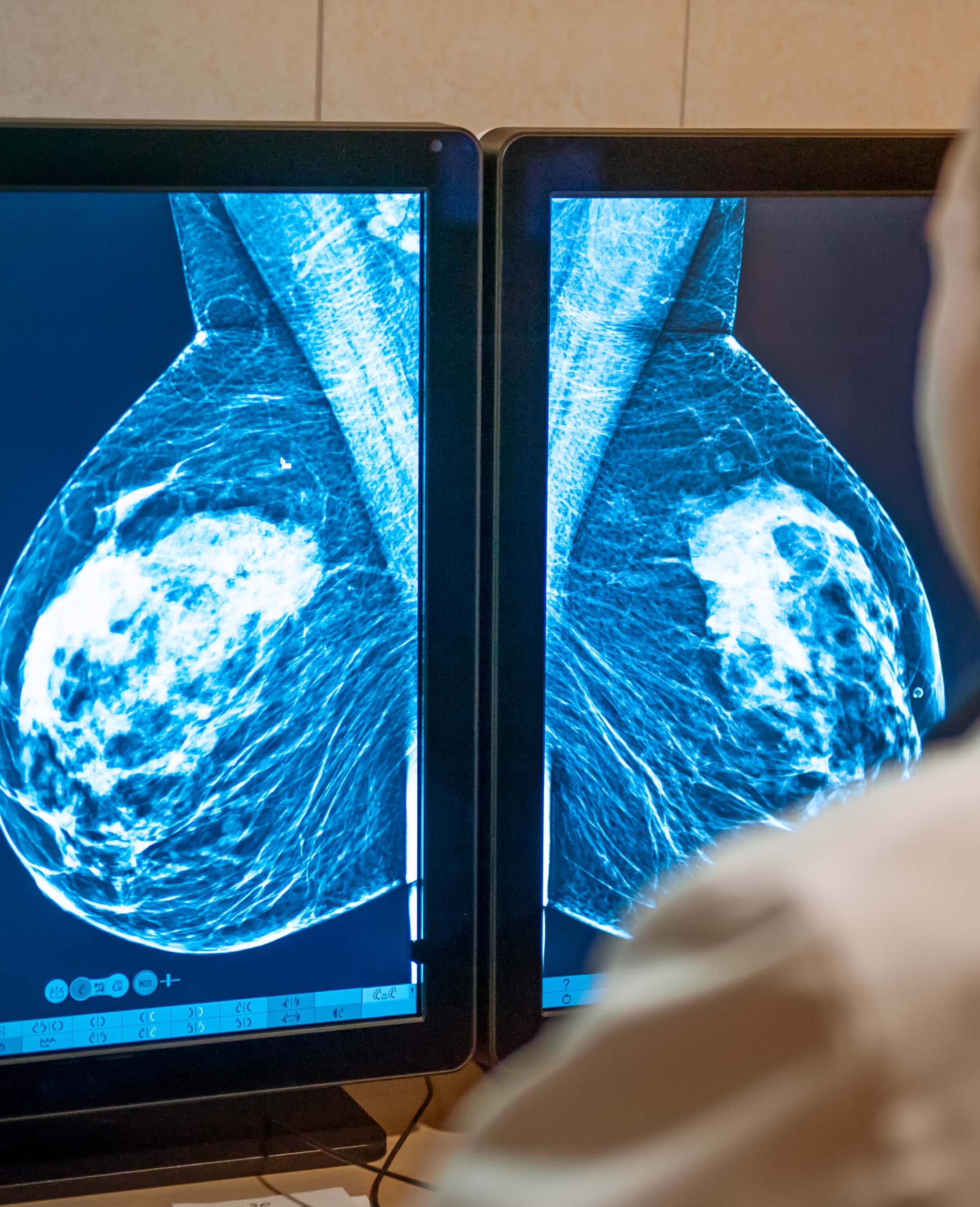
Thousands of patients living with an incurable form of breast cancer will now be able to get a life-extending treatment on the NHS in England, following clinical trials carried out at Barts Health.
NHS watchdog NICE has this week recommended the drug Enhertu for adults with HER2-low advanced or metastatic breast cancer whose disease has come back or got worse after chemotherapy. Around 1,000 people a year in England are expected to benefit. Funding starts straight away through the Cancer Drugs Fund.
HER2-low breast cancer makes up around half of all breast cancer cases. Until recently, better testing wasn't available to identify this group separately, so people with it had no targeted treatment options, only chemotherapy.
NICE first rejected Enhertu for this use in England in July 2024, deciding it wasn't good enough value for money for the NHS at its original price. Since then, the manufacturers have agreed a new price, and NICE has updated how it works out value for money, opening the door to today's decision. Enhertu had already been available to patients in Scotland since 2023.
The medical research behind Enhertu's approval included a major international trial, DESTINY-Breast04, which recruited patients across seven UK sites, including in north east London. The trial showed that people taking Enhertu lived longer, and their cancer was slower to worsen, than people receiving standard chemotherapy.
Professor Peter Schmid, director of Barts Health Breast Cancer Centre and professor of cancer medicine at Queen Mary University of London, led the trial as principal investigator at St Bartholemew’s Hospital. This week, he explained to the BBC how the drug works:
This is a chemotherapy drug that's glued to a key, and that key directs the chemotherapy straight into the cancer cells. So, we avoid some of the side effects but we also enrich the chemotherapy in the cancer where it needs to be. As a result, the efficacy of this type of therapy is substantially — dramatically, doctors say — higher than what we see with standard chemotherapy.

Leading the way in breast cancer research
Even with Enhertu now available, more options are still needed. Right now it's only offered after chemotherapy has already been tried, it doesn't work for everyone, and cancers can become resistant to it over time. Combining the drug with other treatments, or offering it earlier, could help more people benefit for longer.
Barts Health clinicians and researchers at Barts Cancer Institute are working at the forefront of breast cancer research, working to identify new tests and treatments.
Professor Schmid is leading part of an international trial called BEGONIA, which is testing several new cancer combinations at once. His work is looking at whether combining Enhertu with another immunotherapy drug (durvalumab) could give people with a harder-to-treat type of HER2-low breast cancer a treatment option as their very first line of care. Early results published this year were encouraging, though as an early-stage study it hasn't yet shown whether the combination helps people live longer than standard treatment.
Speaking to Barts Charity, Professor Schmid said:
Our clinical research strategy for breast cancer is ultimately focused around the patient. What we want to achieve is improved patient outcomes. We have a very strong track record for triple-negative breast cancer, because this is where I think we as a team made the biggest difference over recent years. We bring this world-class research back to patients who really need it.
This work sits at the heart of our new Breast Cancer Centre at St Bartholomew's Hospital, which Professor Schmid leads. Funded by a £16.6 million investment from Barts Charity, the centre is bringing diagnosis, treatment and research together in one place, so more people across north east London have the chance to take part in clinical trials.
Read more about research at Barts Health Breast Cancer Centre