Thrombosis

Team of doctors and nurses in scrubs at St Bartholomew's
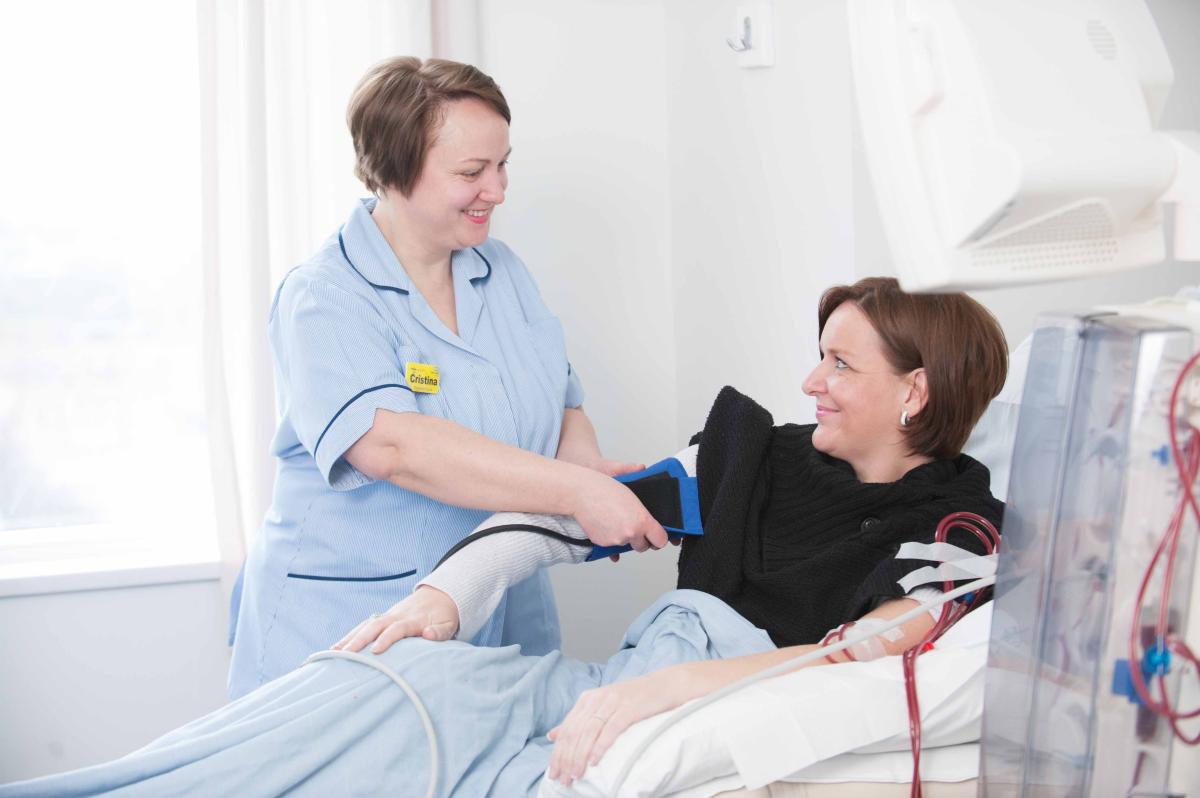
nurse with patient

Keeping you safe

If you get a blood clot in hospital

A blood clot happens when your blood thickens and clumps together. This can be dangerous if it blocks blood flow in your body, especially in your lungs (called a pulmonary embolism) or legs (called deep vein thrombosis or DVT).

Blood clot video

Two pathology staff examining results on a computer screen

Clots can be serious

We are here to keep you safe

To reduce your risk, your hospital team will carry out a simple risk assessment. This helps us decide if you need extra support to prevent a clot.

We’ll check:

  • When you’re first admitted
  • During your stay (in case things change)
  • Before you go home (some people need to continue treatment after leaving hospital)

Depending on your level of risk, we might recommend:

  • Special stockings or leg pumps to help your blood keep moving
  • Medicine called anticoagulants (these thin the blood and help stop clots forming) — often as tablets or daily injections like enoxaparin
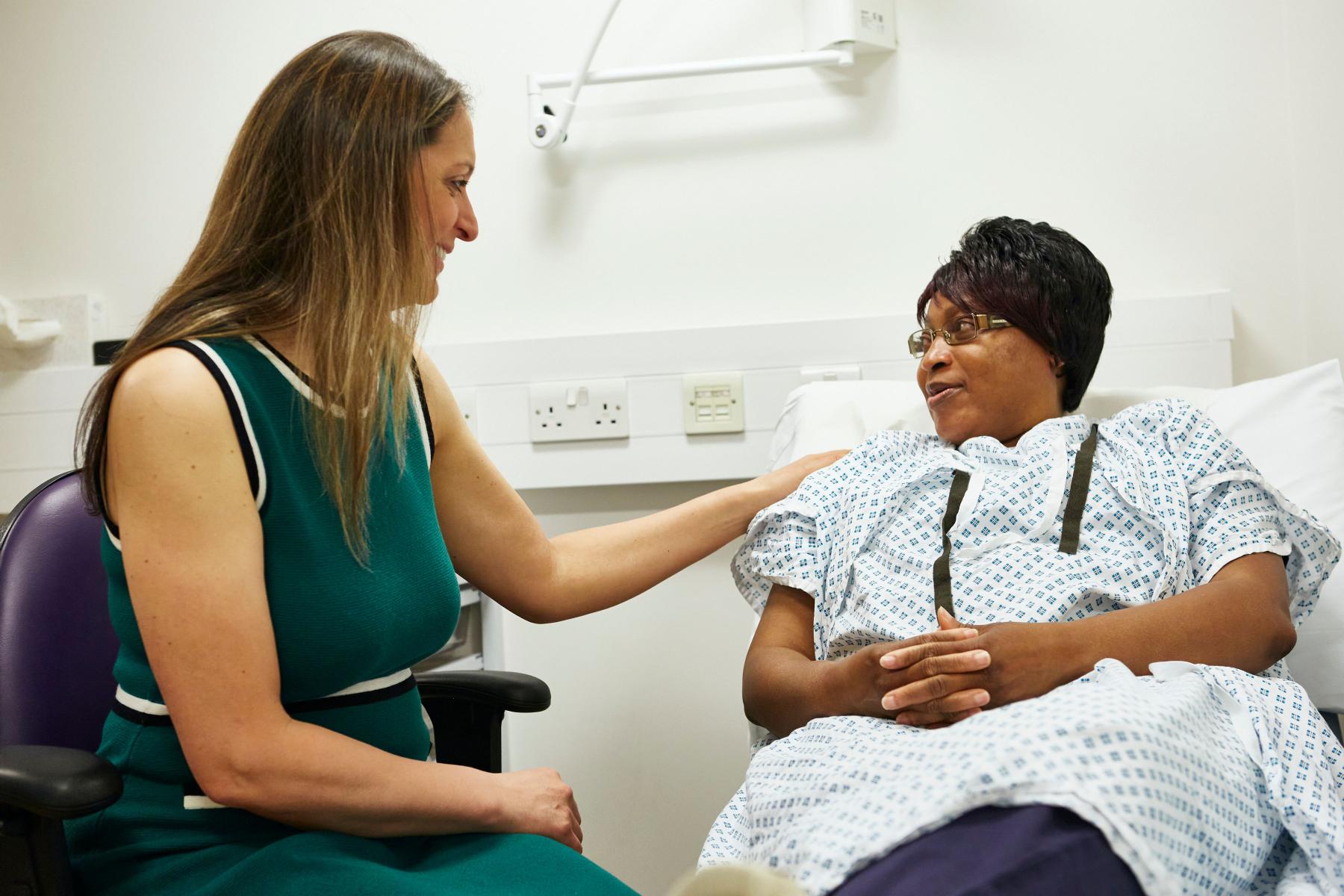
A consultant talks to a cancer patient at St Bartholomew's Hospital

What you can do to help

Simple steps to help prevent blood clots

  • Stay as active as you can. Even small movements help. If you’re able, get up and walk short distances. If you’re in bed, try moving your feet and legs regularly.
  • Drink plenty of fluids. Water helps your blood flow more easily. Try to avoid getting dehydrated.
  • Use any compression stockings or devices you’re given. Your care team will show you how to wear and use them properly.
  • Take your medicine exactly as prescribed. If you’re given blood-thinning medicine, it’s important to take it at the right time.
  • If you're unsure about anything — whether it’s your risk, your treatment, side effects, or how you’re feeling — please speak to your nurse, doctor, or pharmacist.
  • Have a look at the leaflets on the Thrombosis UK website. There are specific leaflets for inpatients, people with cancer, boots or casts due to fractures,  pregnant people and people going through the menopause. 
  • Sign up to the Lets Talk Clots app.
  • Have a look at the Reducing the risk of Venous Thromboembolism (VTE).doc [doc] 1MB on reducing the risk of blood clots in hospital.

Treatment of blood clots: our anticoagulation and thrombosis service

Person picking out medicines from a row of boxes

Treating blood clots

Supporting your recovery with the right treatment

Blood clots in the veins are usually treated with medicine called anticoagulants. Some people need tablets, others need injections. 

If you have a DVT or PE, you will be referred to a haematology clinic for follow up. We will go through: 

  • how to safely take your anticoagulant
  • how long to continue treatment for
  • what else you can do to reduce your risk in future
  • what other tests are needed

Further information