
Haemoglobinopathy Coordinating Centre

Haemoglobinopathy Coordinating Centre

Specialist haemoglobinopathy service
Expert care for sickle cell, thalassaemia and rare inherited anaemias
We are a specialist haemoglobinopathy centre, providing expert care for children, young people and adults with conditions that affect red blood cells. These include sickle cell disease, thalassaemia, and other rare inherited anaemias.
As a specialist centre based at The Royal London Hospital, we support patients and families across east London, Essex and the South East. Your care is led by a specialist team and provides care in line with national guidance and best practice.
We work closely with local hospitals, community nurses and GPs so your care is joined up, safe and consistent — whether you are at home, in clinic, or in hospital.

Specialist care for blood conditions
Personalised for you
Your care is led by a specialist haemoglobinopathy team, with support from nurses, doctors and other professionals who understand your condition.
We work in partnership with:
- Hospital teams
- Community sickle cell and thalassaemia nurses
- GPs and other local services
This helps us manage your condition day to day, reduce complications, and plan ahead for things like transfusions, pain management or pregnancy care.
Your care team will:
- Help you understand your condition
- Monitor your health regularly
- Adjust treatment when needed
- Support your physical and emotional wellbeing
We also make sure your details are recorded safely so that any team providing care to you has the right information.
Further information
Thalassaemia International Federation
North East London Holistic Wellness Events for Sickle Cell Warriors and Carers



If you are unwell
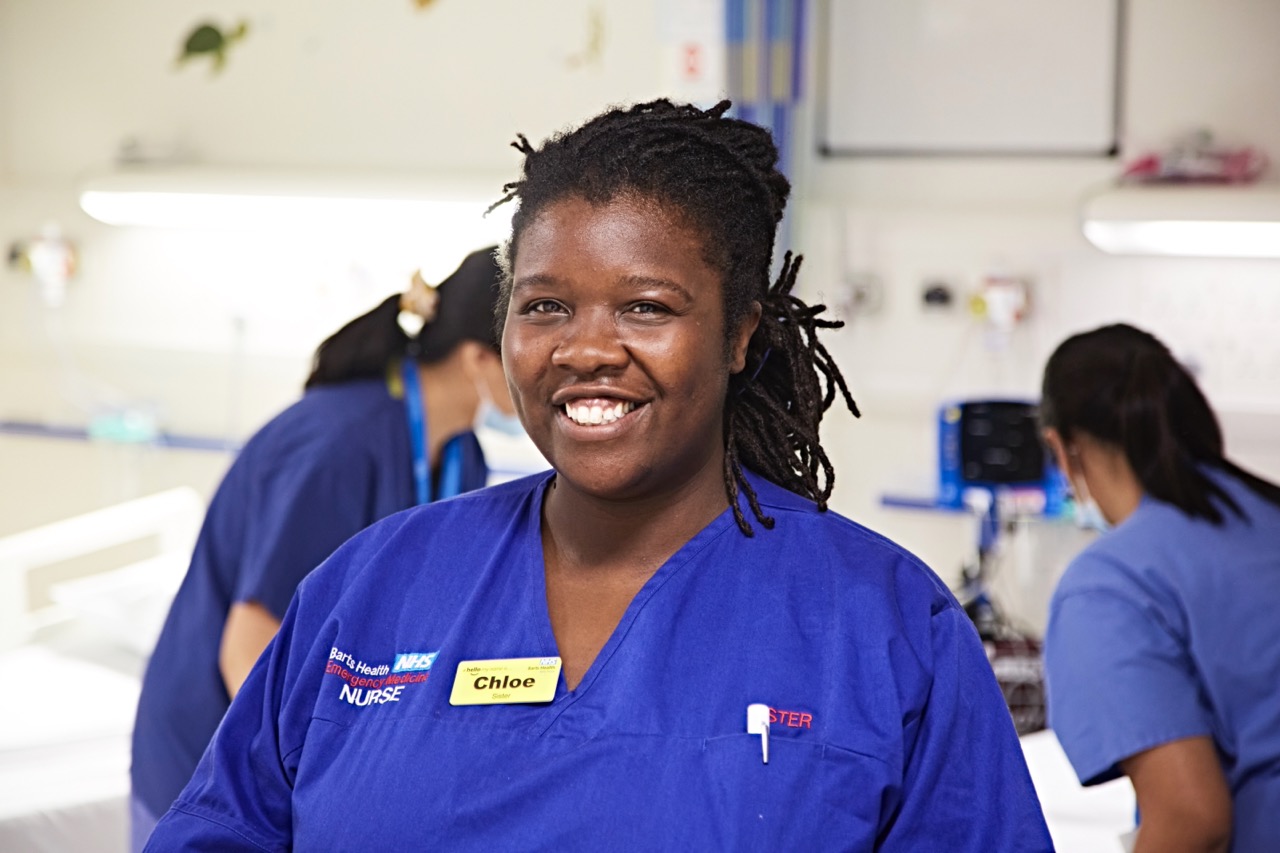
If you or your child are unwell
What to do in an emergency or painful crisis
If you or your child are very unwell, go straight to A&E or call 999.
If you attend A&E with a sickle cell pain crisis, our clinical teams can access your care plan. We aim for pain relief to start within 30 minutes. The emergency team can contact the haemoglobinopathy team at any time, day or night.
If admission is needed:
- You will be cared for by the hospital medical team
- A specialist haematology team will review you
- Your care continues even if you are not on a specialist ward
- For children, paediatric teams work closely with haematology specialists at all times.
Your appointment
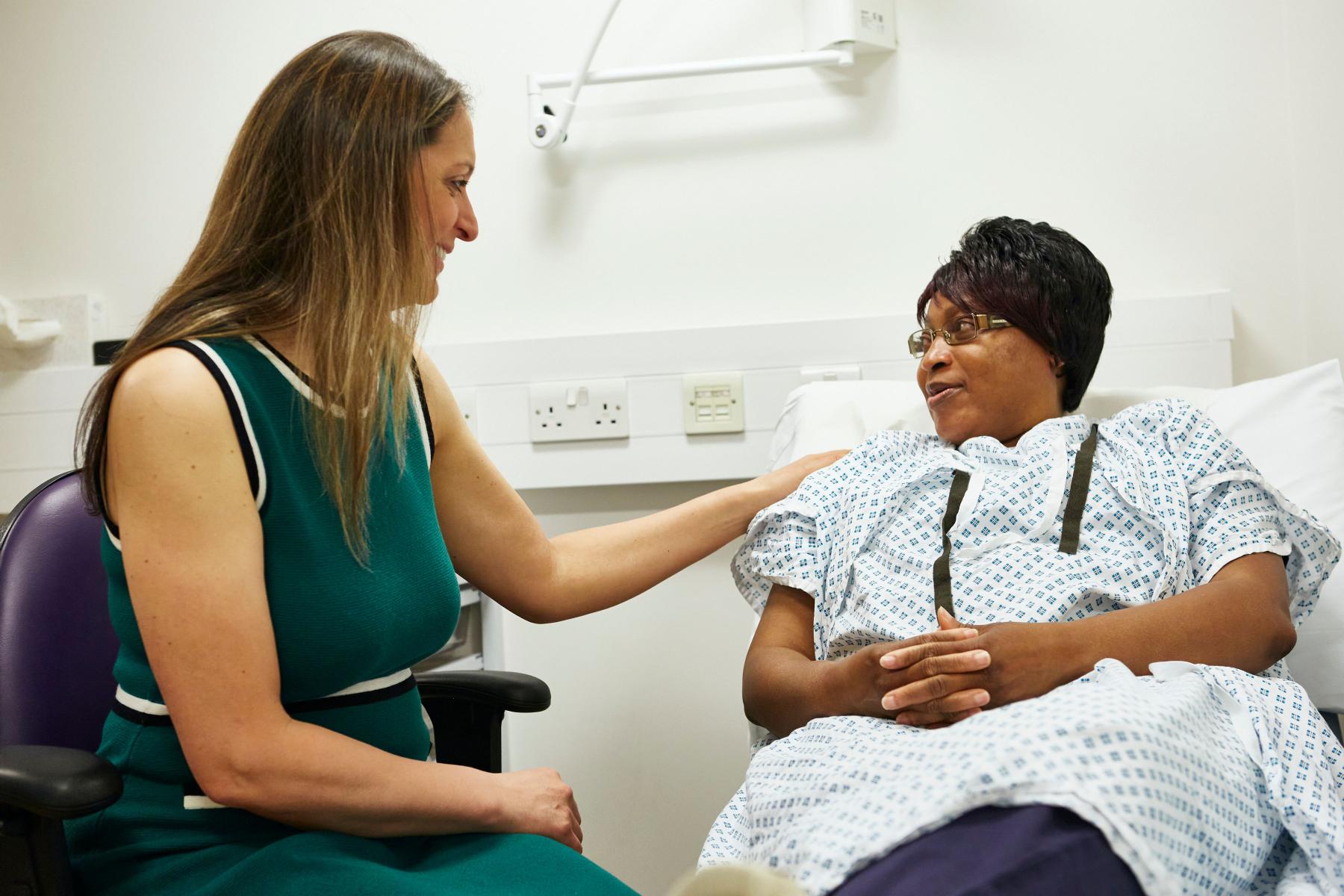
What to expect from your appointment and care
Clear guidance to support you at every step
You may have appointments:
- Face to face
- By phone
- By video
Some clinics are combined with transfusion visits to reduce the number of hospital trips.
During appointments, your team will:
- Review how you’re feeling
- Check blood results and treatments
- Talk through next steps
After your visit, you and your GP will receive a letter explaining what was discussed and any changes to your care.
If you need to cancel or change an appointment, please let us know as soon as possible so we can offer it to another patient.
Community sickle cell and thalassaemia nurses work closely with your hospital team to support you at home. They can help with:
- managing your symptoms
- providing education and advice
- supporting your emotional wellbeing and
- offering care during pregnancy and after birth.
We work with community centres in Hackney, Newham, Waltham Forest and Tower Hamlets (at the haematology day unit, 2nd floor, The Royal London Hospital).
Children and young people

Care for children, young people and families
Supporting your child as they grow
If your child feels unwell or you’re worried, seek help early. Children with haemoglobin conditions are cared for by a specialist paediatric team up to age 16.
Care includes:
- Regular clinics
- Transfusions or red cell exchange if needed
- Monitoring growth and development
- Support with school and daily life
Children’s day units are designed to be calm and supportive. There are also services to help with blood tests, including numbing cream or spray if needed.
Families are an important part of care. We work with parents and carers to help them feel confident managing symptoms at home and knowing when to seek help.
Top tips for managing your child's sickle cell disease this winter
Research

New treatments and research
Looking ahead with confidence
There are new treatments and research studies underway for sickle cell, thalassaemia and rare anaemias. Some patients may be able to take part in trials or access new therapies as they become available.
Your specialist team can explain:
- What options may be suitable for you
- What research is happening locally or nationally
We also recommend trusted charities and organisations for reliable information and support.
If you’re interested in new treatments or research, speak to your specialist team for up-to-date advice.
Information for professionals

For healthcare professionals
Working in partnership to improve patient outcomes
The Haemoglobinopathy Coordinating Centre provides specialist advice and coordination for complex cases and shared care across the network.
Referrals to our services should be made in line with our guidance:
- Haemoglobinopathy Coordinating Centre referral form (adults) [docx] 30KB
- Haemoglobinopathy Coordinating Centre referral form (paediatrics) [docx] 30KB
MDT meetings (monthly, via Microsoft Teams)
Referrals for the multidisciplinary team meeting should be sent by a clinician to our team by 5pm on the Friday before.
We discuss cases on a Monday.
- Adult sickle cell: first Monday
- Paediatric sickle cell: fourth Monday
- Thalassaemia (adult and paediatric): second Monday